What skirting profile do I have?
Start with the end section. A familiar name narrows the search, but matching a board means checking its dimensions and the shape of each curve, step and flat.
1. Record the shape
Use an existing offcut or an accessible exposed end. Photograph it square-on with a ruler beside it. Add a photograph of the board fitted against the wall so the overall proportions are clear.
2. Measure the detail
Record the overall height and thickness in millimetres, then the height of the decorative moulding above the plain face. Heavy paint layers can obscure small grooves and soften edges.
3. Compare a sample
Check the proposed section beside the original. The same profile name can cover different cutter shapes. Compare the top edge, moulding depth and doorway junction before committing to a length.
Browse the archived key of 83 profile names and numbers →
Common clues in the profile
- Ogee: an S-shaped combination of concave and convex curves.
- Torus: a prominent rounded roll with a shoulder.
- Bullnose: a simple rounded top edge.
- Ovolo: a rounded moulding, often with a small fillet or step.
- Chamfered: a sloping bevel rather than a rounded top.
- Square edge: a straight, simple face with little decorative moulding.
These descriptions identify families rather than exact specifications. Names and details vary between suppliers. The archived illustrations below are comparison examples, not dimensioned drawings.
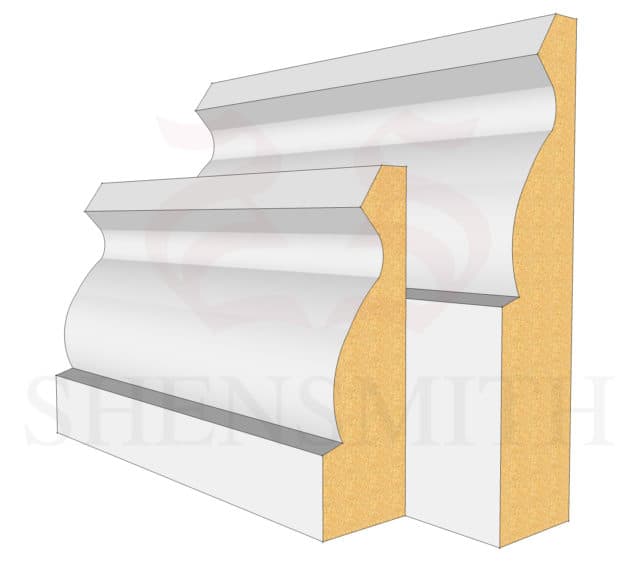 ↗
Ogee skirting boards
A flowing S-shaped curve for a decorative finish. Explore ogee skirting, compare its proportions and coordinate the detail with your door surrounds.
Explore profile →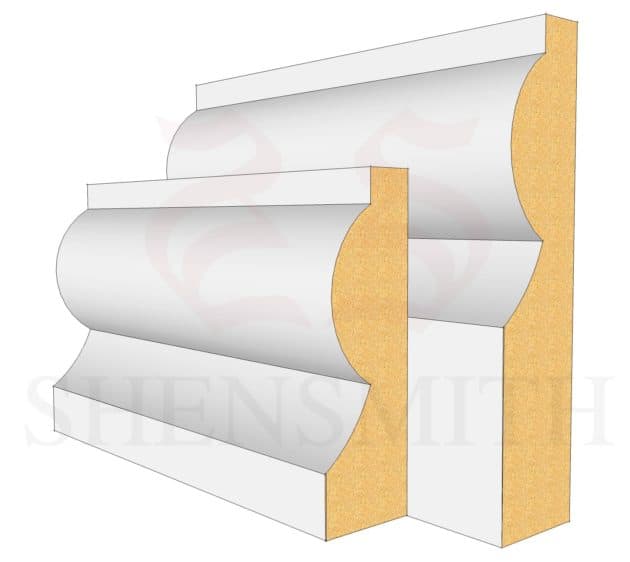 ↗
Torus skirting boards
A rounded roll and a defined shoulder give torus its recognisable shape. Compare it with ogee and find the right balance for your room.
Explore profile →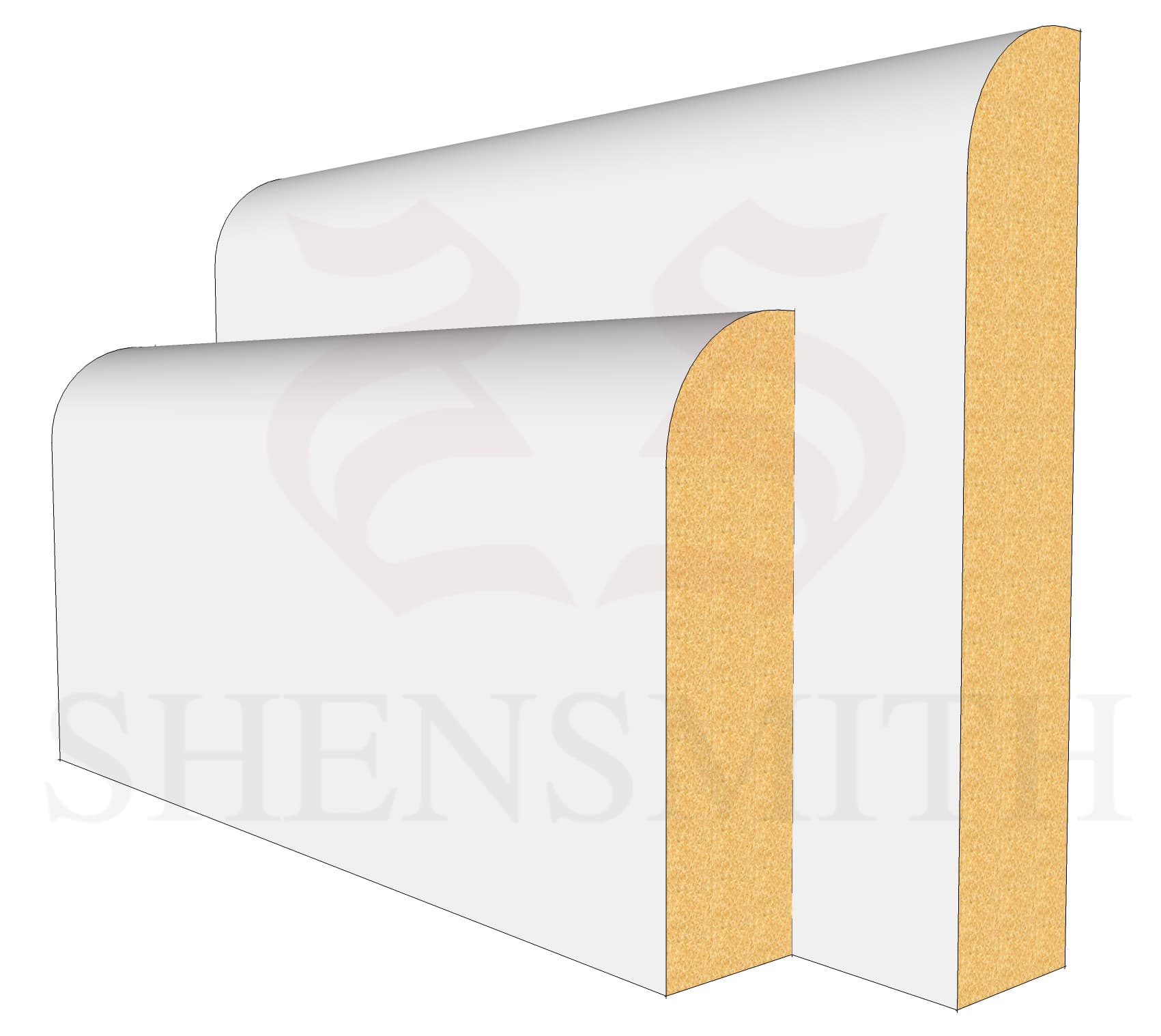 ↗
Bullnose skirting boards
A plain face and softly rounded edge for an understated finish. Understand bullnose and pencil-round naming before matching an existing board.
Explore profile →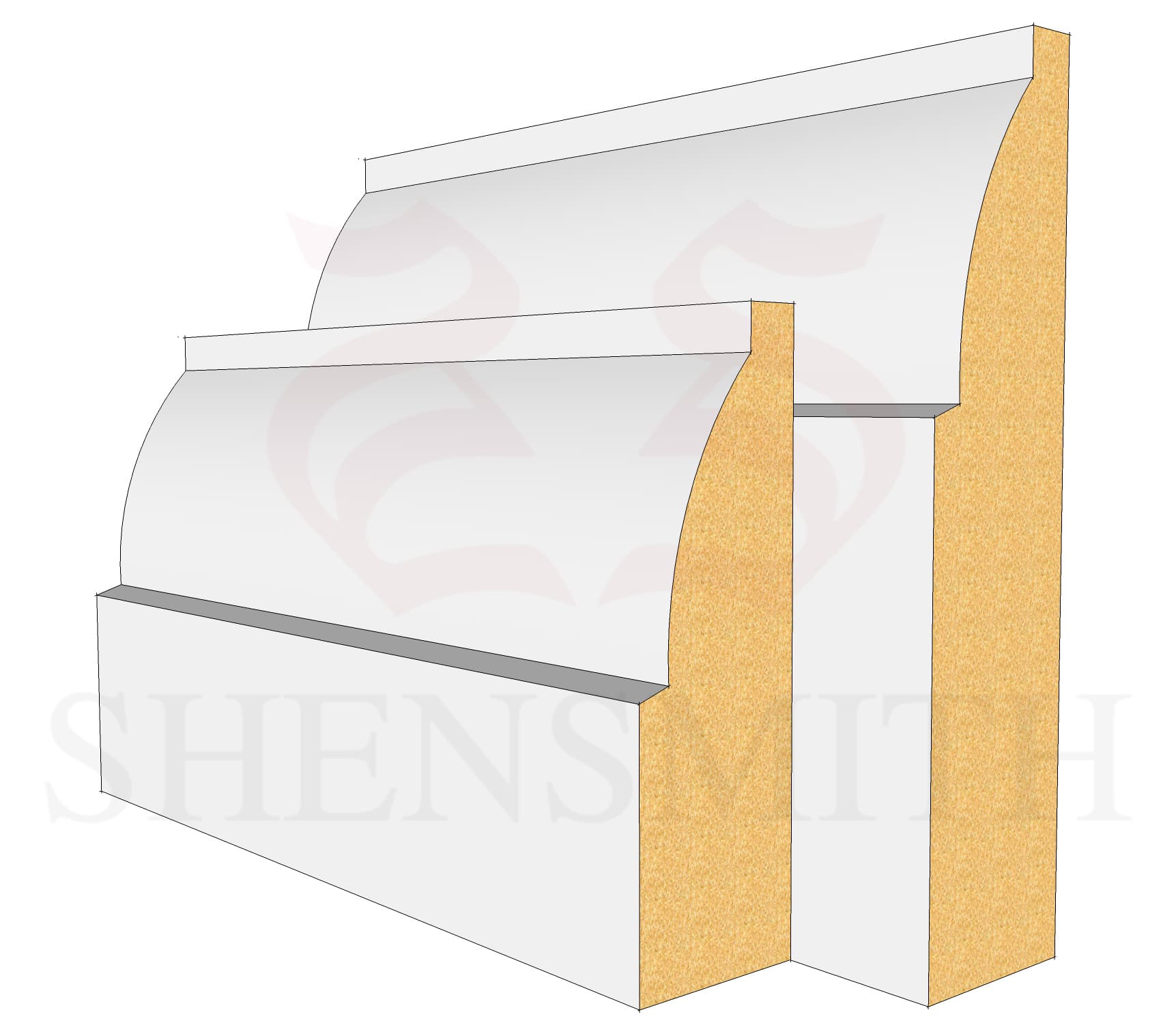 ↗
Ovolo skirting boards
A rounded decorative moulding with clearly defined transitions. Explore how ovolo differs from simpler rounded profiles and more elaborate ogee designs.
Explore profile →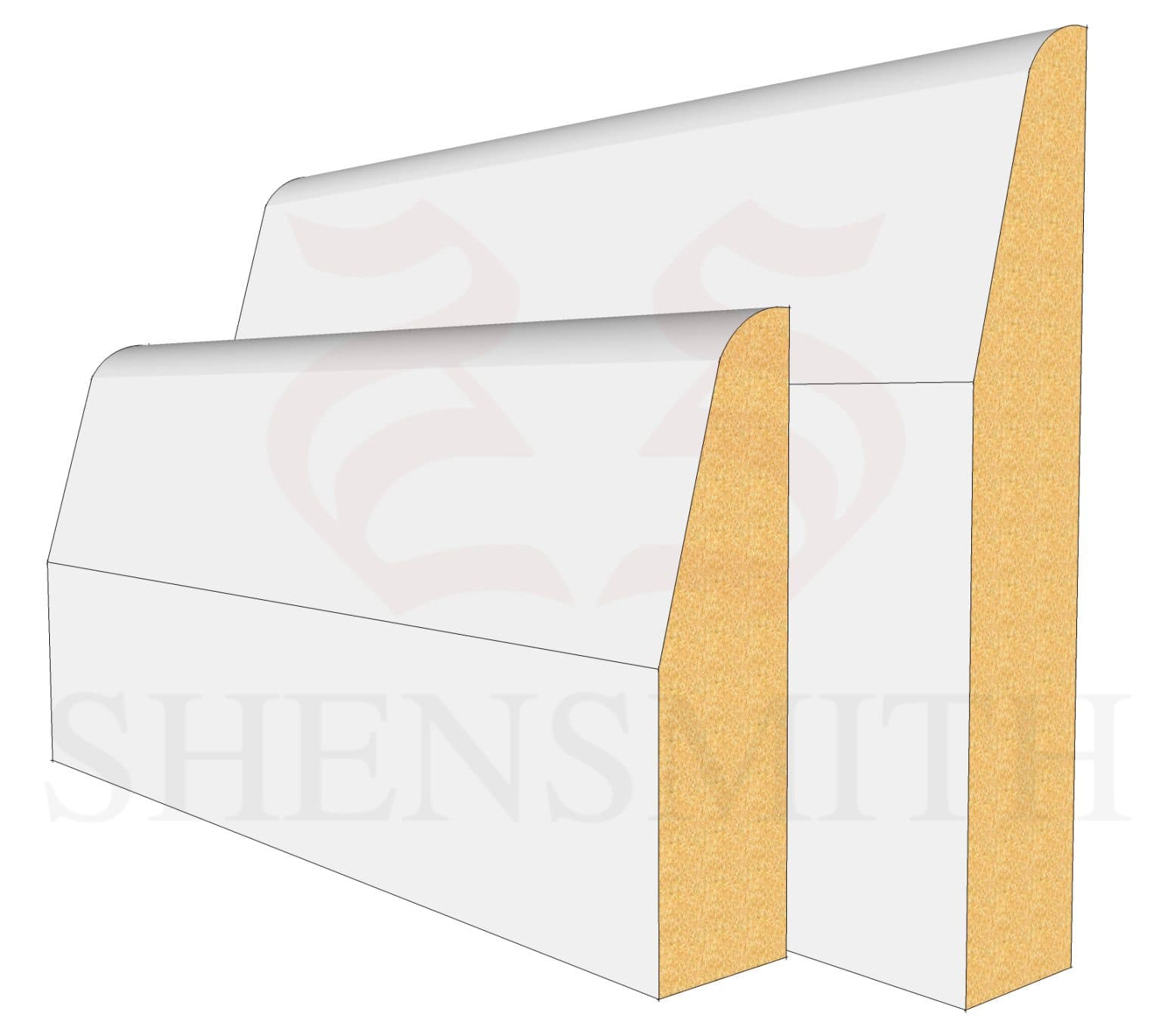 ↗
Chamfered skirting boards
A sloping bevel gives chamfered skirting a crisp, simple outline. Compare the bevel depth, board height and matching door-trim options.
Explore profile →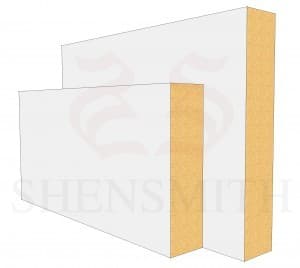 ↗
Square edge skirting boards
A straight top and unadorned face keep square-edge skirting focused on proportion, material and finish. Explore the details that make a plain board work.
Explore profile →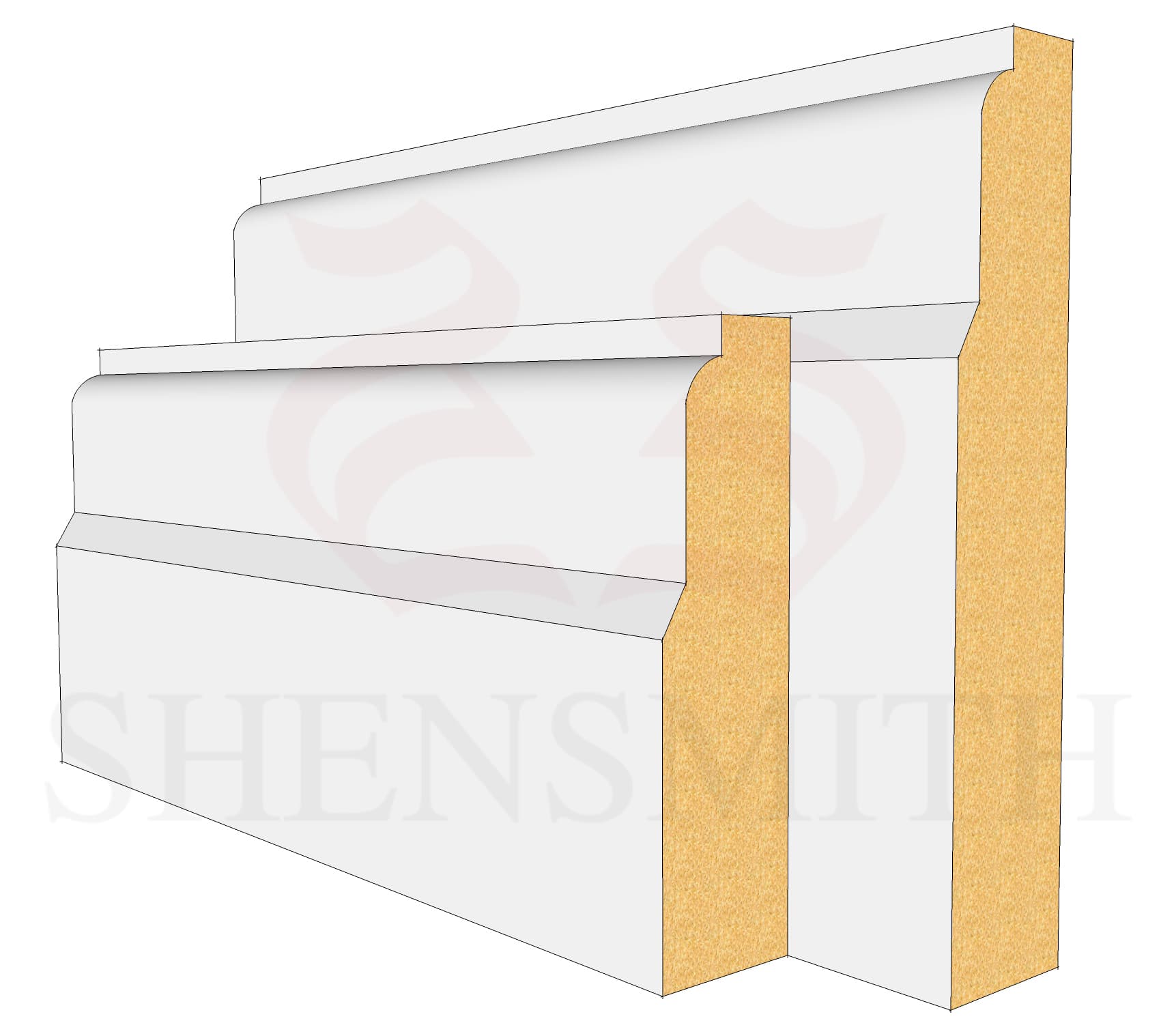 ↗
Lamb’s tongue skirting boards
A shaped curved detail gives lamb’s tongue a traditional character. Compare the moulding carefully when matching original skirting or choosing a door surround.
Explore profile →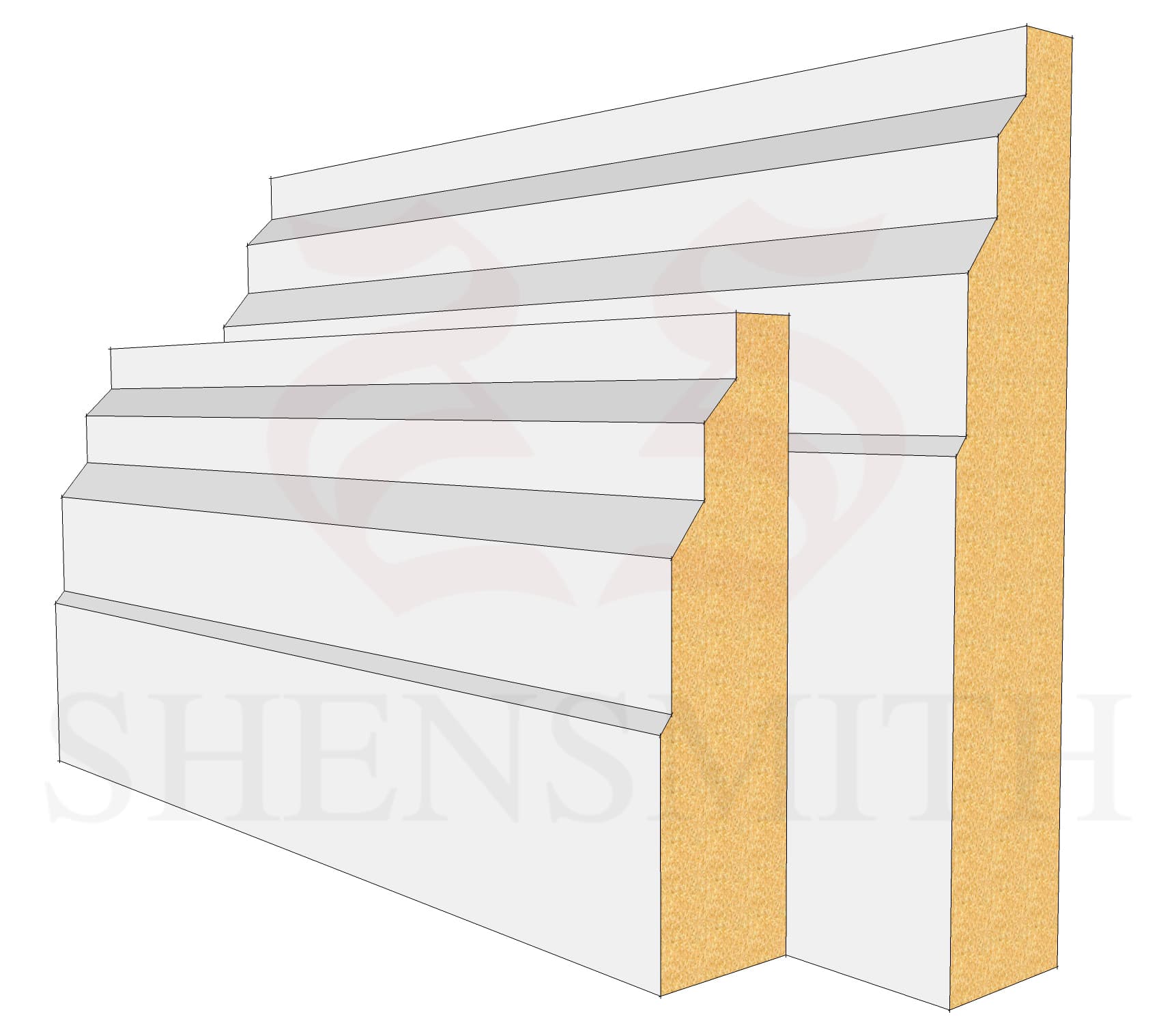 ↗
Stepped skirting boards
Layered straight lines give stepped skirting a more architectural outline. Compare single, double and multiple steps and choose the proportions deliberately.
Explore profile →What if nothing matches?
Keep the measurements and photographs together and contact us to discuss the profile. Check whether the difference is in the decorative shape, overall height or thickness. Do not assume that two similarly named profiles will join seamlessly.
Compare two profiles side by side or use the project checklist to prepare your enquiry.