Decide whether replacement solves the problem
Replacing skirting boards makes sense when the board is extensively damaged, the profile no longer suits the room, or building work requires removal. A small dent or failed paint coating may be repairable. Swelling, decay or repeated staining needs its cause investigated first. A new board over a damp wall can quickly suffer the same damage.
Record the existing detail
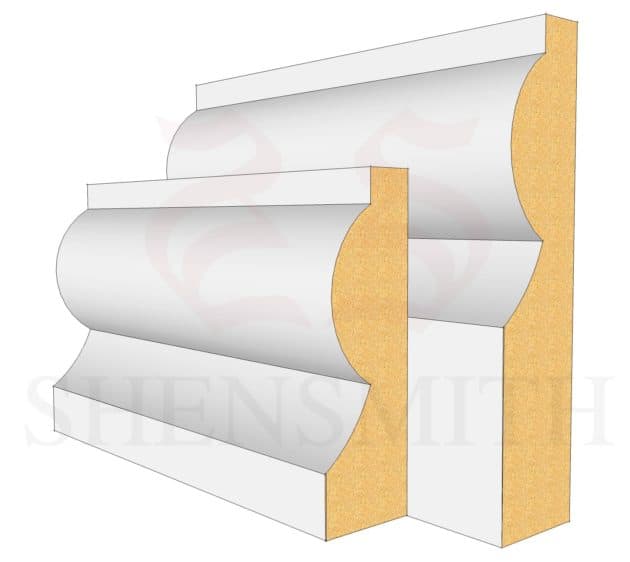
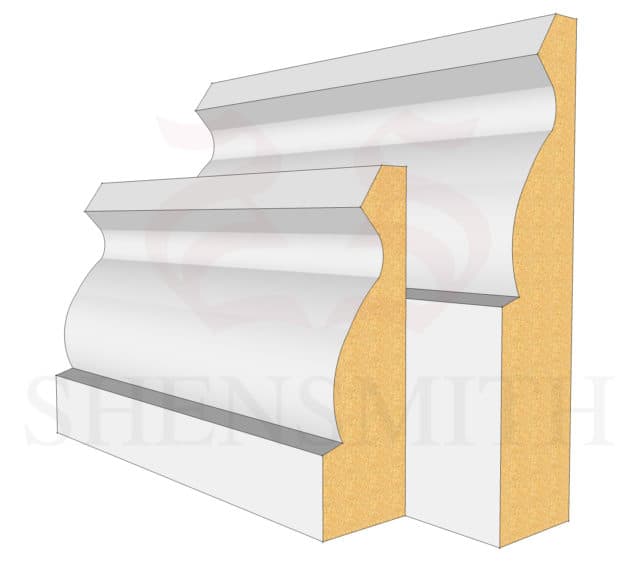
Photograph corners, door junctions and any unusual returns before work starts. Measure the height and thickness of sound sections and take a clear end-profile photograph. If only one length needs replacing, compare samples against the remaining moulding. Names such as ogee and torus describe families whose exact dimensions vary between suppliers.
Check the finish and hidden services
Old paint needs care before disturbing it, especially if its composition is unknown. Identify cables, pipes and fixing positions and decide whether professional removal is appropriate. Check for sockets, radiators and fitted furniture that could restrict access. Where hazardous coatings are suspected, obtain suitable advice before sanding, heating or stripping the surface.
Allow for the wall behind the board
Removal can reveal loose plaster, adhesive ridges and unfinished areas. Separate the paint or caulk junction carefully and avoid levering directly against an unprotected wall surface. The actual removal method depends on the fixings and condition. Budget time for repairs and drying before fitting new lengths, rather than assuming the board can simply be swapped in one pass.
Compare the new coverage
A shorter replacement may expose an old paint line; a thinner one may fail to cover the flooring edge. Check the required expansion space for a floating floor and plan each door junction. If a new floor is being installed at the same time, agree the finished levels and fitting sequence before either trade starts.
Measure and finish the replacement
Prepare a wall-by-wall cutting list including short pieces and corners. Order by confirmed finished dimensions and material rather than an approximate photograph. Follow the supplier's preparation instructions, dry-fit joints, secure to the appropriate background and finish with a compatible coating. Keep a labelled offcut and the product details to make a later repair easier.
Your questions, answered.
Can I replace just one section of skirting?
Yes, if you can match its shape and dimensions and make suitable joints. Compare a physical sample with a sound existing section; profile names alone are not precise specifications.
Will replacing skirting damage the plaster?
It can. Existing adhesive, fixings and the condition of the wall affect removal. Allow for local plaster repairs and check concealed services before starting.